Showing posts with label radon. Show all posts

Thursday, May 12, 2016

National Healthy Homes Month

National Healthy Homes Month
The Office of Lead Hazard Control and Healthy Homes "OLHCHH"
Welcomes you to the First Annual National Healthy Homes Month 2016 webpage 

National Healthy Homes Month (NHHM) will be held for the first time during June 2016.   This month-long celebration offers an opportunity to learn more about housing and its impact on health and provide resources to encourage local activities as well as empower families to protect themselves from hazards in their home. June’s outreach activities aim to greatly boost awareness and understanding of what federal and local resources are available to make a difference in the lives of all residents, regardless of where they live. 
HUD’s Office of Lead Hazard Control and Healthy Homes (OLHCHH) is coordinating the efforts of NHHM. Thanks to the support and collaborations with other federal agencies and partners; NHHM will provide a deliberate, coordinated and holistic approach to creating healthy and safe homes. Creating a holistic approach includes efforts to combine activities related to:    
  1. Childhood lead poisoning  prevention
  2. Residential asthma intervention
  3. Injury prevention
  4. Smoke free public housing
  5. Safe indoor pest control
  6. Radon Safety
  7. Disaster Recovery

The target audiences for the scope of activities are comprised of state and local government agencies, nongovernmental organization, nonprofit organizations, property owners and individual families especially those with small children. 
Each week in June; NHHM will focus on the “Principals of Healthy Homes” and associated set of activities. The themes are designed to highlight the paired topics. When you get your activities planned consider letting us know about them! We would love to hear about the event planning and results.

Thursday, December 3, 2015

EPA and Partners Announce National Plan to Prevent Lung Cancer Deaths Due to Radon Exposure

Today, the U.S. Environmental Protection Agency (EPA), American Lung Association, and other partners are announcing a strategy for preventing 3,200 lung cancer deaths annually by 2020 through radon exposure reduction strategies. Exposure to radioactive radon gas is the second leading cause of lung cancer in America. The goal to save these lives will be achieved by reducing high radon levels in five million homes, apartments, schools and childcare centers. The partnership includes three federal departments and agencies, and nine national organizations.

“EPA is very pleased to be a partner in this important life-saving effort to prevent lung cancer caused by radon. Working together creates new opportunities for reducing the risk from radon. Combining our resources will save American lives by magnifying our effectiveness in preventing exposure to radon in homes and schools,” said EPA Administrator Gina McCarthy.

The National Radon Action Plan: A Strategy for Saving Lives sets out strategies to drive the changes needed to reduce exposure to radon. Strategies include requiring radon testing and reduction systems as a standard practice in housing finance and insurance programs, and institutionalizing radon risk reduction through building code requirements.

The strategy released today builds on the successes of the 2011 Federal Radon Action Plan, which has led to protections from radon in more than 105,000 multi-family homes financed by HUD, among other actions by the federal government. Today’s plan broadens the scope and reach of the Federal Radon Action Plan by including the health, scientific and technical expertise of the national partners.


Radon is a radioactive gas that comes from the decay of uranium in the ground. Nearly all soils contain some naturally occurring uranium. Radon seeps up from the soil into buildings where it can accumulate to high levels. Since radon is invisible and odorless, dangerous levels can exist indoors without occupants knowing. Testing is the only way to know the radon level in your home or school. Exposure to radon causes an estimated 21,000 lung cancer deaths annually. After smoking, radon is the second-leading cause of lung cancer. However, affordable measures effective in reducing radon indoors are available, and when employed can prevent radon-induced lung cancer and save lives.


For more information visit http://www2.epa.gov/radon


Tuesday, December 1, 2015

County First in US to Require Radon Gas Testing

Montgomery residents who sell their homes will have to test for radon and give buyers the results under a bill passed unanimously by the County Council on Tuesday.
Montgomery is the first locality in the country to establish a radon testing requirement, according to the bill’s sponsor, council member Craig Rice (D-Upcounty). Like many other recent regulatory measures passed by the council, however, there are few provisions for enforcement. The radon bill does not specify penalties for noncompliance.
“We’re just trying to get people to test,” Rice said, likening the new requirement to having carbon monoxide detectors in homes and other common safety measures.
Maryland is one of several states that require sellers to disclose to buyers any knowledge of radon in their homes. Buyers often request the test anyway as a condition of sale.
But the Montgomery County attorney’s office told the council that the state law does not create an explicit obligation on the part of the seller to determine whether radon is an issue.
Radon is an invisible radioactive gas produced by the natural breakdown of uranium in rocks and soil. It enters homes through foundation cracks and other openings. According to the Environmental Protection Agency , it is the leading cause of lung cancer among non-smokers and the second-leading cause of lung cancer, after cigarette smoking, for the general population.
Montgomery, Fairfax and other counties in Maryland and Virginia are a “Zone 1” radon risk, according to the EPA. The rating means that indoor radon levels are likely to exceed four picocuries per liter of air. A picocurie is a trillionth of a curie, a measure of radiation.
At that level, the EPA recommends installation of relatively inexpensive ventilation systems that suction the gas out of the ground and into the air.


The real estate industry opposed the county bill, citing the potential for increased costs for sellers. Prior to the vote, the council rejected a last-minute amendment from an industry trade group, the Greater Capital Area Association of Realtors, that would have exempted new single-family homes being sold for the first time.

Tuesday, November 24, 2015

Home and Mold Inspector marks his 18th. year in business.

Santa Rosa, California (PRWEB) November 24, 2015
Steve Zivolich, the owner and senior inspector of Guaranteed Property and Mold Inspections (GPI) serving Sonoma, Marin, Napa, Orange, Los Angeles, and Riverside Counties in California, has marked his 18th year in business.
Zivolich holds the premier nationally accredited certification for home inspectors by the American Society of Home Inspectors (ASHI). He is also certified as a residential home inspector by the California Real Estate Inspectors Association (CREIA). In addition, he is nationally certified in Mold, Microbial, Asbestos, Lead Paint, Indoor Air Quality, Energy Conservation and Radon inspections/testing. 
Steve serves on the national certification board of directors for the American Council for Accredited Certification (ACAC), which reviews applications for new mold inspectors to be awarded a nationally accredited certification. These unique certifications require both knowledge verification in the science of microbial inspection, but also extensive experience in the field.
Due to his extensive training and experience, his firm is able to provide additional mold, environmental, and energy expertise with a residential home inspection at no additional cost to clients.
"We inspect every home as if we were moving in our own family," stated Zivolich.
Unlike other mold inspection companies, GPI does not try to up-sell its clients with unneeded mold testing. Currently the EPA and the California Department of Public Health discourage such mold testing. Further, since it is a conflict of interest, GPI only inspects, and does not remediate mold, this avoids a financial bias in their findings. It is also a code of ethics violation for a company to both inspect and remediate mold conditions. As a result, GPI holds the highest ratings by the BBB, Angie's List, and Yelp.
Steve has completed over 7,000 home and mold inspections for pre-listing, time of purchase, post-purchase investigations, as well as expert witness testimony.
He is currently providing Mold Inspection seminars throughout the state for real estate professionals, and code enforcement city government inspectors to assist with implementation of the new California Mold law SB 655, which is taking effect on January 1, 2016.
For more information, call toll free (888) 252-2274 or visit the Web site located at http://www.gpinspect.com.

Wednesday, July 30, 2014

No Radon in Orange County or California? Think Again!!

CDPH Indoor Radon Program

The Indoor Radon Program, within the Environmental Management Branch, seeks to reduce the health risk from radon exposures by increasing awareness, providing information about testing, identifying areas of high radon potential, and promoting mitigation and radon-resistant construction.  

New!  Special Report 224 - Radon Potential in the Palos Verdes Area

The California Department of Public Health, in partnership with the California Geological Survey, is developing detailed radon potential maps for regions of the state. The latest map and report, covering the Palos Verdes region, has been released.  See all reports here.

What is radon?

Radon is a naturally occurring radioactive gas that is odorless, invisible, and without taste.  It is released during the natural decay of uranium, which is present in most rock, soil and water. Its occurrence in the state is influenced primarily by geology; find out more about radon

Where is radon found?

Radon can be found throughout California because uranium exists in all rock and soil.  Although certain areas of the state are more likely to contain higher radon levels than others, radon is a house-to-house issue.  You may live in an area of low radon potential yet your house can have elevated radon but your neighbor's house has a low radon level. 
Radon, in its natural state cannot be detected with the human senses. The only way to detect radon is to test.  California residents can purchase low cost radon test kits,
Home Test Kits $7.95, to test their home.  The results of the test should determine if you and your family are at risk. 
Testing for real estate transactions must be conducted by a California certified radon tester.  If the tester is not on the service providers list, he or she may not be certified or registered with the Indoor Radon Program.  Certification and registration for service providers is a requirement in California;(Radon and Real Estate). 

How does radon enter into my house and what can I do?

As the radon gas escapes from the ground into the air, the lower air pressure inside your home draws the outside air in through cracks, seams and other openings in your home foundation; (How Radon Enters Into My House).  If you have elevated radon levels you can still fix your home.  The California Department of Public Health (CDPH) along with U.S. Environmental Protection Agency (US EPA) recommends that you fix your house if it has 4 picocuries per liter (4 pCi/L) or higher.  If you are building a house in an area of moderate or high radon potential, we recommend using radon-resistant building techniques. 

Why do I need to be concerned about radon?


Radon is the second leading cause of lung cancer (PDF)Opens in new window., following smoking.  US EPA estimates (PDF)Opens in new window.that nationally 21,000 lung cancer deaths are caused by radon each year.   

Radon Gas Testers Must Be Certified in California

“California law requires all individuals providing radon services to be certified by either National Radon Proficiency Program (NRPP) or National Radon Safety Board (NRSB).  There are no professional groups that are currently exempt from this requirement, including Industrial Hygienists, Registered Environmental Assessors (REAs), and Licensed Geologists. “ California Department of Public Health

Friday, May 9, 2014

Granite Counter Tops and Radon Gas Danger

Radon released from granite counter tops?

1. Assuming a relatively tight house with an air change rate of 0.5/hr and using average measured dose rates from granite countertop slabs, the estimated radon concentration in kitchen air would be 0.13 pCi/L. This concentration is less than one-eighth the average radon gas concentration in U.S. homes and is well below the Environmental Protection Agency (EPA) guideline of 4 pCi/L.

2.  Granite is a natural mineral formed by the earth's geological processes. It is quarried and processed to produce commercial products such as counter tops. It is possible for any granite sample to contain varying concentrations of uranium that can produce radon gas, a source of alpha and beta particles and gamma rays. Some granite used for counter tops may contribute variably to indoor radon levels. At this time, however, EPA does not believe sufficient data exist to conclude that the types of granite commonly used in counter tops are significantly increasing indoor radon levels. Some granite may emit gamma radiation above typical background levels. While radiation levels are not typically high, measurement from different granite types may reveal higher than expected levels on a case-by-case basis.

3. EPA believes the principal source of radon in homes is soil gas that is drawn indoors through a natural suction process. To reduce radon risk you should first test the air in your home to determine the radon level.


4. If you are concerned about the possibility of your counter tops adding to or causing increased radon in your home, you can have your home tested by a certified tester or you can test it yourself by using do-it-yourself (DIY) radon test kits.
A list of California certified radon testers can be found by clicking on the Testers (PDF) link at the following webpage:
http://www.cdph.ca.gov/HealthInfo/environhealth/Pages/RadonServiceProviders.aspx

To test for radon from your granite counter tops yourself, purchase three radon test kits and follow the DIY Instructions for Testing Granite Counter Tops described below.
Inexpensive DIY radon test kits can be obtained by calling the toll-free number 800-324- 5928. After calling the toll-free number, press 1 and follow the instructions to purchase a California radon test kit. The cost for the radon test kit is $7.95. Alternatively, a California radon test kit can be obtained by submitting a request, along with credit card payment, at www.drhomeair.com beginning on the following webpage:
https://secure.flipmedia.com/apalab_secure/drha_order_carw5.html
Disable all pop-up blockers on your computer prior to entering data on the order form.
page2image10248 page2image10408 page2image10568 page2image10728
DIY Instructions for Testing Granite Counter Tops
Set one test kit approximately three feet from the counter but not directly on the counter; set one test kit at the boundary of the kitchen and the adjoining room, and set one test kit in a room farthest from the kitchen (preferably not a bathroom). Record the serial numbers of each test kit and the locations so you know where each of the test results came from.
The results of these three tests will indicate whether radon is higher in the vicinity of the granite counter tops as compared to the remainder of your home.
EPA’s recommended action level is 4 picocuries (pCi/L). If your house has 4 pCi/L or higher, EPA recommends that you take action to reduce the level of radon.
page2image19512

Wednesday, January 8, 2014

National Radon Month by EPA

As Americans across the country look for ways to improve their health this New Year, the U.S. Environmental Protection Agency is highlighting radon testing and mitigation as a simple and affordable step to significantly reduce the risk for lung cancer. Radon is a natural colorless, odorless radioactive gas, and is the leading cause of lung cancer among non-smokers, but testing for radon and reducing elevated levels when they are found can make your home healthier and safer.
EPA Info on Radon
More Info on Radon from the EPA
“Testing for radon is an easy and affordable way to protect your family’s health,” EPA Administrator Gina McCarthy said in a press release. ”Radon is a radioactive gas that can be found in homes all across the country; the only way know if your home has high levels is to test it.”
Part of EPA’s radon action campaign is to remind people to “Test, Fix, Save a Life,” and to recognize every January as radon action month.
  • Test: All homes with or without basements should be tested for radon. Affordable Do-It-Yourself radon test kits are available online and at home improvement and hardware stores, or you can hire a qualified radon tester.
  • Fix: EPA recommends taking action to fix radon levels at or above 4 picoCuries per Liter and contacting a qualified radon-reduction contractor. In most cases, a system with a vent pipe and fan is used to reduce radon. Addressing high radon levels often costs the same as other minor home repairs.
  • Save a Life: 21,000 Americans die from radon related lung cancer each year. By fixing elevated levels in your home, you can help prevent lung cancer while creating a healthier home for you and your family.

Taking action to test and fix high levels of radon gas is not only a strong investment for your health, but also for your home. Radon test results are a positive selling point for those putting a house on the market and in many areas is a required part of real estate transactions. In addition, if you are looking to build a new home, there are now are safer and healthier radon-resistant construction techniques that home buyers can discuss with builders to prevent this health hazard.

Danger of Radon Gas in Homes Ignored in Orange County CA

EPA Link for More Radon InfoThe primary cause of preventable mortality in U.S. homes is from Radon gas. Radon causes 21,000 lung cancer deaths in the U.S. Both the U.S. Surgeon General and the EPA have identified Radon gas as the second leading cause of lung cancer, as well as the primary cause of lung cancer in non-smokers. For over two decades, the EPA has recommended that all homes be tested for Radon. One in fifteen homes have Radon gas levels that are at levels determined as a significant risk to the occupants. 

While testing and correction of the radon levels is relatively inexpensive, I find that the majority of my home inspection clients in Orange County opt out of testing, again to save money, and or lack of acceptance regarding the real and present danger of Radon. Clients can see the potential danger of a trip hazard, but they cannot see, taste or smell Radon gas.

In addition, I listen weekly to real estate agents, property owners, bankers, and investors insisting that there is no Radon in California. At the same time, the California Department of Health, has determined through thousands of Radon test results, that radon is found in all areas of California and causes 2,000 annual lung cancer deaths.

California law requires that the Radon gas test be conducted by a Department of Health registered radon technician, during a real estate escrow, to prevent tampering. However, a new homeowner can conduct their own test after they take possession of the property. Low cost Radon test kits (about $30), can be obtained from local hardware stores or over the internet.
The other primary annual causes of preventable death in U.S. Homes include: falls 6,000; Poisoning 5,000; Fires 3,000; and Air Obstructions (strangulations) 1,000. Home Inspectors can report on safety prevention issues for all of these items as well: Falls (stairs, handrails, flooring, grounds); Poisoning (child safety latches); Fires, (smoke detectors, fire egress, electrical); Air Obstructions (window cover cords).
The home inspectors primary standard of care is to advise and educate their clients on home safety conditions and prevention strategies for these primary in-home safety issues. It is critical that home inspectors continue to inspect, educate and report to their clients on these safety conditions to help prevent tragic, but preventable deaths related to Radon gas.
About Guaranteed Property Inspections

For more information on Radon and home inspections or to contact the author, please visit: http://www.gpinspect.com
Steve Zivolich, is an ASHI/CREIA/NEHA Certified Inspector and owner of Guaranteed Property Inspection and Mold Investigation in Southern California. He is also certified in: Radon, Mold, Energy Efficiency and Asbestos testing.

Friday, November 8, 2013

What Your Home Inspector Does Not To Tell You

Nearly two in five existing homes suffer from some type of major defect. According to the Realty Times, these types of defects can cost as much as $15,000 to repair.

Protect yourself from unexpected repair costs by investing in a home inspection before you buy. Not only can a qualified ASHI home inspector save you money in the long run, but many lending and insurance institutions require an inspection as part of the home buying process.

HOME INSPECTOR - BUYER BEWARE

Here are some things your home inspector may not tell you.

1. Lack of Insurance:
Even the best home inspectors can make mistakes, and the things they miss can wind up causing you major problems. Surprisingly, California does not require home inspectors to carry insurance, and even those with insurance requirements in place may not do enough to protect the client.

Typically, a home inspector's liability tops out at the cost of the inspection. That means that if your inspector misses a major issue, you could be out thousands. To make sure you'll be protected by a home inspection oversight, choose an inspector who carries "Errors and Omissions" coverage. These policies go beyond the basic liability insurance.

2. Illegal to offer repairs:
In fact, California Law and the  American Society of Home Inspectors (ASHI) forbids soliciting repair work based on the results of an inspection performed.

To protect your pocket book, keep inspection and repair work separate, and beware of inspectors who offer their services for other tasks.

3. Inspection of the House only.
As his or her title suggests, your home inspector is looking at the condition of your house, not the grounds or surrounding features. This means he's unlikely to spot problems beyond those on the interior or exterior of the house itself, leaving you vulnerable to issues with outbuildings or fences. Unfortunately, these elements often represent a fairly major expense.

 If you're buying a home that includes a large number of outbuildings or other outdoor features, be sure to negotiate these items into the inspection checklist. If your inspector isn't willing to cooperate, or feels ill-equipped to handle these types of structures, consider hiring an inspector who's more experienced in this type of work.

4. What is Thorough?
In most U.S. States, there are very few standards in place to determine which items should be covered during a home inspection, in California both CREIA and ASHI standards are referenced.  Rather than leave the scope of your home inspection up to the inspector, take the time to hammer out an agreement ahead of time so both parties know exactly what's covered. If you need ideas, look for free checklists provided by the American Society of Home Inspectors at ASHI.org.

5. Finding an inspector through your real estate agent?
Real estate agents often provide recommendations to help clients choose a home inspector. However, with many home inspectors relying on real estate agents for referrals, it may not be in your best interest to blindly follow your agent's advice. These home inspectors know that pointing out flaws in a home can result in a price reduction, or may even kill the deal. To stay on the good side of a real estate agent, some unscrupulous home inspectors might be tempted to ignore or minimize potential problems, which can cost you big money.

Protect yourself by choosing a home inspector who's completely independent from your real estate agent. This way, you're guaranteed that these two professionals will have your best interests at heart, instead of each others'. To find a qualified inspector visit ashi.org.

Of course, if you trust your real estate agent, feel free to give his or her recommendations a shot. Just make sure to vet each potential inspector as an ASHI certified inspector, on your own before agreeing to a deal.

6. What is hidden?
The biggest and most expensive home repair issues are often those hidden away behind your walls or floor coverings. Rotted wood or old wiring can cost big bucks to replace, yet even the best home inspectors probably won't notice these problems.

This is because most home inspections are non-invasive, which means they don't extend beyond the finished surface. An inspector may peel up the edge of a carpet to check the subfloor below, but he won't be able to do the same for ceramic tile, or for items hidden in walls or ceilings. To make his job even harder, unethical homeowners or investors may use paint or other materials to cover up water damage just long enough to get through the inspection and selling process. While there's little you can do to protect yourself from these risks, a trusted home inspector can help you gather as much information as possible as you decide on your purchase.

7. Are we qualified?
California has no certification or training program in place for housing inspectors. This means that a so-called home inspector may have just about as much experience as you do at evaluating the condition of a house.
Steer clear of these inexperienced inspectors and look for professionals certified by a trusted organization within the home inspection industry. The American Society of Home Inspectors requires applicants to inspect at least 250 houses in order to earn membership.

To weed out the inexperienced candidates, ask each inspector about his or her previous experience with residential home inspections and verify that they are certified by ASHI.

8. Not a code inspection.
A code inspection can only be legally done by a local city building inspector; not a home inspector.
Be sure to visit your local city building website or office to review all code paperwork for your property.  A home that's not up to code leaves you vulnerable to both safety and financial risks. It means that your family won't benefit from all the latest safety standards and technologies. It also leaves you footing the bill for code compliance on renovation or repair work. For example, if you decide to add a home addition in the future, you'll likely be required to bring the house up to code first. For big issues like wiring and plumbing, these costs could easily run into the thousands.

9. Safety issues.
The majority of home inspectors do a great job sniffing out problems with a home's basic structure or systems. In some cases, however, more serious issues can easily slip through the cracks. Asbestos, lead, mold, radon and other dangers are typically not covered by home inspections  In many states, inspectors require special licensing and training to deal with these types of problems. Even in states where no special certifications are required, the average home inspector is simply not equipped to detect mold, radon, asbestos or lead. Others may purposely exclude these high-risk elements because of the extreme liability associated with them.

If you're concerned about mold, lead paint, radon or asbestos tile, find a home inspector who is willing and able to handle these elements.

10. Cheaper is better.
See items 1 through 9.

About Steve Zivolich and Guaranteed Property Inspections: www.gpinspect.com
Steve Zivolich, M.A., the owner/operator of Guaranteed Property Inspection and Mold Investigation Inc. has been providing property and environmental inspections for over 13 years in Orange County and Southern California.
Steve Z. has performed over 6,000 home inspections, mold, energy and environmental inspections and is fully certified and insured to meet all your inspection needs. He personally provides all field inspection services and as a result is able to maintain the highest Better Business Bureau rating of A+.
Steve has extensive training and years of experience as a home, mold, energy and environmental inspector that will guarantee that you receive the most thorough, state of the art and comprehensive inspection that follows current industry standards of practice and codes of ethics, a true value and education at a fair price. He conducts every inspection, as if he were moving his own family into the property. Steve also backs up every home inspection with a 90 day warranty, that is purchased on your behalf from American Home Warranty Association.
Unlike other home inspection companies, who will need to refer you to an environmental and/or energy audit contractor, Steve is a nationally certified expert that can handle the job without making you jump through hoops to hire additional people before the end of your inspection period, including the areas of: mold, asbestos, allergens, child safety, radon, formaldehyde, energy, EMF, water quality, and VOC's. As a result of his advanced training, he is able to offer a FREE energy audit and FREE mold investigation as well, with each home inspection.
.
Please take the time to read through Steve's home inspector credentials and qualifications as this is so important when hiring an inspector. Don't focus on price alone, focus on value, quality, experience and professionalism. When you hire an inspector, any inspector, you are hiring their individual knowledge, experience and qualifications so make sure you hire the best, not just the cheapest. We are confident that you will be Steve's next satisfied customer.

Tuesday, November 5, 2013

Home Inspection Myths

I hear a lot of the same home inspection myths repeated over and over.

 I've blogged about most of these, but here they are in one blog.

10. The seller needs to fix this.

The seller is not required to fix much, but is required to have functioning smoke detectors, carbon monoxide detectors and have their water heater seismically strapped properly. Home buyers can ask sellers to fix other things or pay for things to be fixed. As a home inspector, I make a point of letting my client know what items are safety issues, or expensive fixes.

9. Radon is not a problem in this area.

Radon is the second leading cause of lung cancer. It is found throughout the country. The EPA, WHO, the California Department of Health and the U.S. Surgeon General recommend that you test your new home for radon. Realtors are not an authority on this subject.

8. Buyers should only attend the end of the inspection.

Buyers will probably get the most out of the inspection if they attend the entire inspection, but I leave that up to my clients. If your inspector does not want you there, you need a different inspector.

7. New construction homes don't need inspections.

When I inspect new construction homes, I do find defects, you should at least have it inspected in the 11th month before your warranty runs out with the builder.

6. Mold and other indoor air quality are no big deal.


The California Department of Public Health (2011) has concluded that the presence of water damage, dampness, visible mold, or mold odor in schools, workplaces, residences, and other indoor environments is unhealthy. Realtors are not an authority on this subject.

5. A small air conditioner might not cool the house properly.

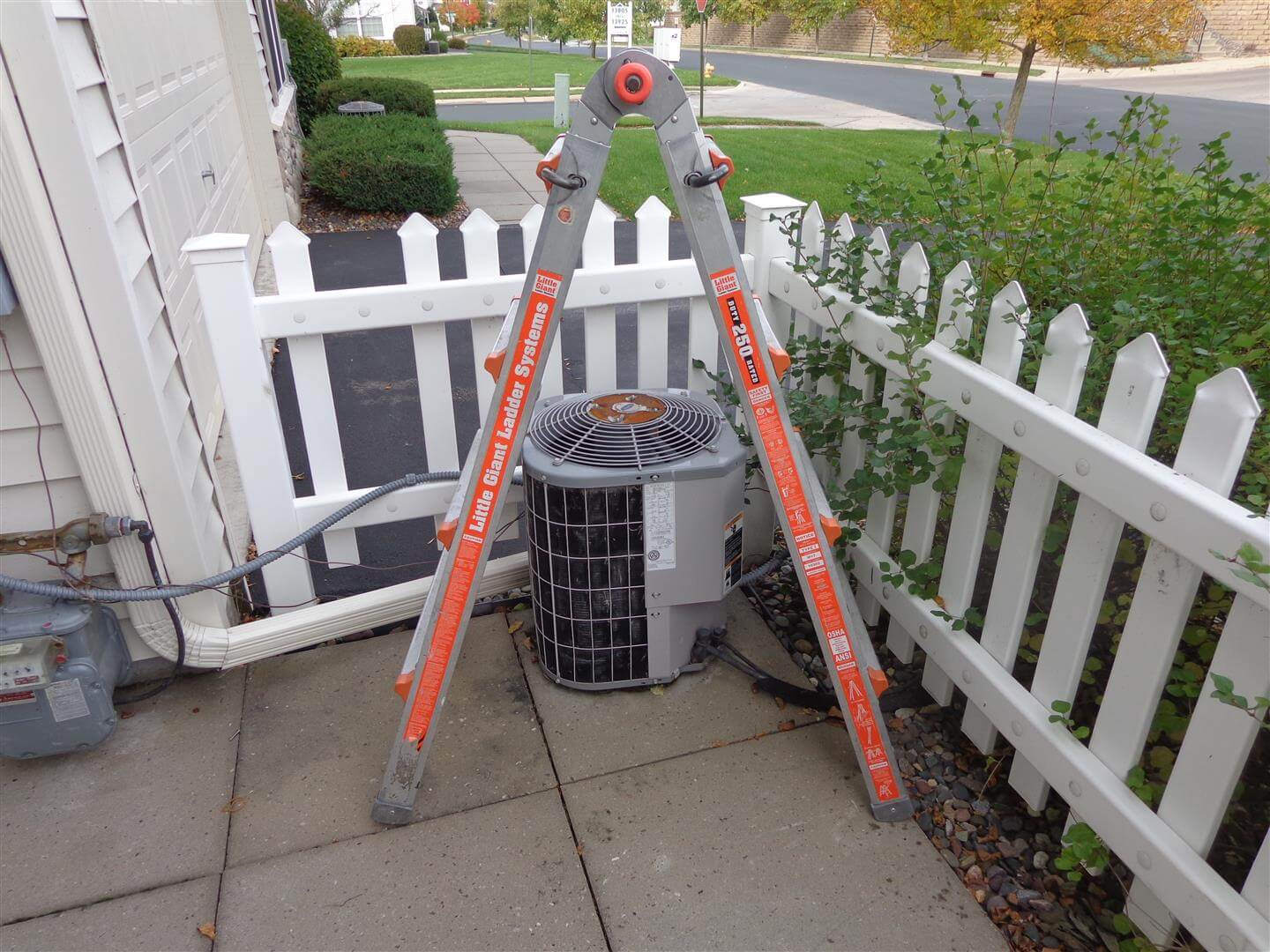
Small AC
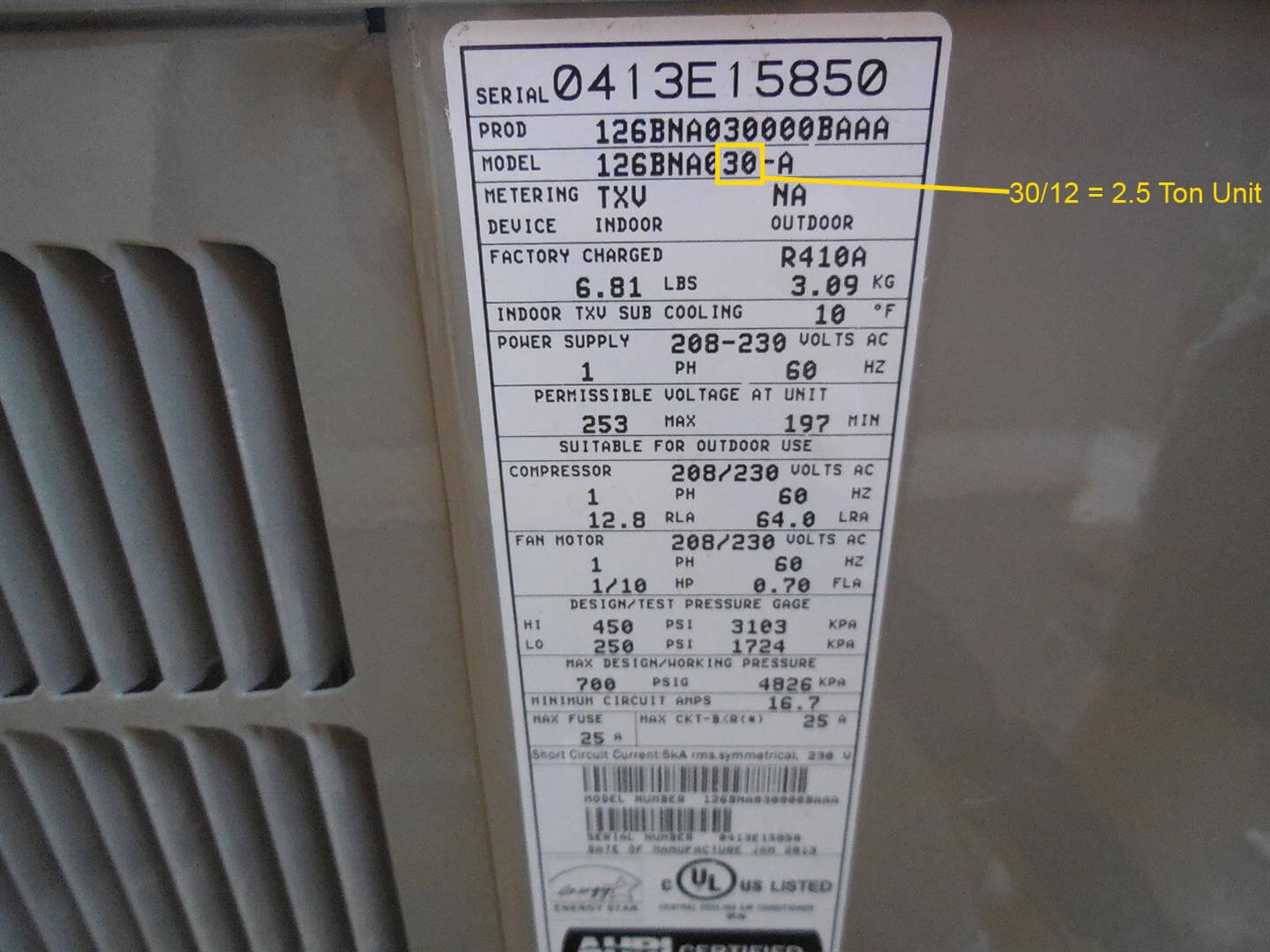
The physical size of that thing at the outside of the house won't tell you anything about the cooling capacity.  It has a lot more to do with the efficiency of the unit; larger units = more surface area = higher efficiency.  The cooling capacity is measured in tons.  To figure out how many tons your unit is, look at the model number and find a number usually between 18 and 60 that's a multiple of 6.  Divide that number by 12, and you have the number of tons your unit is.
For example, the unit pictured below is a 2-½ ton unit.
AC Sizing

4. A backdrafting water heater should be replaced.

Replacing a water heater won't correct the problem.  If a water heater backdrafts, there's a problem outside the water heater.  Sometimes it's a problem with the vent, sometimes the vent connector, and sometimes it's a more complicated problem that requires evaluation by a plumber.

3. Old stucco is a concern.

Old stucco is usually fine.  But I recommend sealing any cracks.

2. I can use the cheapest inspector.

In the current housing market, with the low inventory, buyers are advised to use extra caution, particularly when making an offer on any property being sold “as is”. Whether it is a resale property or brand new construction, a poor inspection can cost the buyer many times the difference in the fees of a good inspection, and place the buyer in danger of undiscovered safety issues missed by the "cheap" inspector that is typically inexperienced and un-certified by CREIA or ASHI. Even if the seller appears to be very diligent in disclosing all know conditions, there can be significant safety conditions of which the seller is not aware.


1. I can use the inspector picked by my realtor.


The home inspector is often the only person involved in a real estate purchase that considers you to be their sole client; Your real estate agent may have a financial bias in their recommendation for a "good inspector"; that might mean they do not find many problems, that could get in the way of a sale. Be sure to use an ASHI or CREIA independent inspector, to find one visit ASHI.org or CREIA.org.


About Steve Zivolich and Guaranteed Property Inspections: www.gpinspect.com
Steve Zivolich, M.A., the owner/operator of Guaranteed Property Inspection and Mold Investigation Inc. has been providing property and environmental inspections for over 15 years in Orange County and Southern California.
Steve Z. has performed over 6,000 home inspections, mold, energy and environmental inspections and is fully certified and insured to meet all your inspection needs. He personally provides all field inspection services and as a result is able to maintain the highest Better Business Bureau rating of A+.

Steve has extensive training and years of experience as a home, mold, energy and environmental inspector that will guarantee that you receive the most thorough, state of the art and comprehensive inspection that follows current industry standards of practice and codes of ethics, a true value and education at a fair price. He conducts every inspection, as if he were moving his own family into the property. Steve also backs up every home inspection with a 90 day warranty, that is purchased on your behalf from American Home Warranty Association.

Unlike other home inspection companies, who will need to refer you to an environmental and/or energy audit contractor, Steve is a nationally certified expert that can handle the job without making you jump through hoops to hire additional people before the end of your inspection period, including the areas of: mold, asbestos, allergens, child safety, radon, formaldehyde, energy, EMF, water quality, and VOC's. As a result of his advanced training, he is able to offer a FREE energy audit and FREE mold investigation as well, with each home inspection.
.
Please take the time to read through Steve's home inspector credentials and qualifications as this is so important when hiring an inspector. Don't focus on price alone, focus on value, quality, experience and professionalism. When you hire an inspector, any inspector, you are hiring their individual knowledge, experience and qualifications so make sure you hire the best, not just the cheapest. We are confident that you will be Steve's next satisfied customer.

Sunday, October 27, 2013

Federal Radon Week Aimed at Saving Lives


The federal government’s goal with Radon Awareness Week this year is to prevent lung cancer deaths.
Health agencies across the country have been teaming up this week to try to tackle the amount of deaths caused by the naturally occurring, invisible, odorless radioactive gas that is the leading cause of lung cancer for non-smokers.

A news release from the Surgeon General said a recent Harvard Study ranked radon to be country’s top-ranked in-home hazard. The U.S. Environmental Protection Agency estimates more than 20,000 people die each year of radon-related lung cancer.

Because it permeates into poorly vented homes through basements, walls and in the foundation, and can accumulate over time, there are easy ways to detect and fix the problem areas.


Radon Action Week
Home owners everywhere will likely need to be made aware of the dangers around them during Radon Action Week. Radon is estimated to affect as many as one in fifteen homes in the United States, so it is a particularly widespread problem. There are many people who may have elevated radon levels in their home, but may not even realize it. It can be important to get your home tested for these different radon issues, which can help you decide if you would like to take action sometime soon. Many people will be interested in finding out more about Radon Action Week, which is slated to take place between October 20th and 26th. Check out some sites offering information during Radon Action Week.

First, you might be wondering why people have decided to create this expansive awareness campaign for Radon Action Week. Some people might not realize just how dangerous radon gas can be to their health, but this is the message provided by Radon Action Week. 
Radon Action Week Picture 1
Radon Action Week Picture 2
It has been estimated that radon can be the second leading cause of lung cancer in the United States, behind only smoking. This means that it contributes to a substantial number of deaths that occur in the country, which is emphasized during Radon Action Week. Some people will want to learn more about this gas during Radon Action Week. Others will want to observe Radon Action Week to educate themselves about how to test and control radon in their homes.

If you suspect that you may have radon present in your home, you will need to seek out professional assistance as soon as you can through Radon Action Week. You might notice that your home smells strange, which could be an indication that you have radon gas present. Other people will note that they are simply getting sick more often. This could be a big warning sign that radon levels are increasing in your home. This could be happening, because radon is a gas that can easily seep upwards from the top soil that is underneath the foundation of your home. Officials during Radon Action Week will be providing more information about these services. You may want to contact sources that are being promoted during Radon Action Week. Remember that Radon Action Week is being held in the third week of October.

 
When you check out some of the different radon teams in your area, try to find one that has experience evaluating radon levels. Some people may be interested in checking out whether they can get an official test conducted. The team will be able to measure radon gas levels and tell you whether you should do anything to decrease them. There are actually many tools that can be used to accomplish this, which you can find during Radon Action Week. You can have radon mitigation kits that can remove radon from the air and from the tap water. This can help make sure that your radon gas levels are gradually decreasing over time.

Finally, stay updated on information about the annual Radon Action Week in your area. There are many agencies that will be involved with Radon Action Week. Both governmental organizations and commercial companies will distribute information for home owners during Radon Action Week. If you happen to miss the events held during Radon Action Week, you can always review some websites from these agencies.


About Guaranteed Property Inspections


Steve Zivolich, is an ASHI/CREIA/NEHA Certified Inspector and owner of Guaranteed Property Inspection and Mold Investigation in Southern California. He is also certified in: Radon, Mold, Energy Efficiency and Asbestos testing.

Saturday, October 26, 2013

900 Lives Saved Each Year by Radon Testing

THE U.S. EPA estimates that 600 lives are saved each year by radon gas testing.


Here is a list of the primary causes of mortality in US Homes.

Your home inspection therefore should include inspection and testing of these preventable hazards to you and your family.


Unintentional injury is the leading cause of death among children ages 14 and under. 


The home inspectors primary standard of care is to advise and educate their clients on home safety conditions and prevention strategies for these primary in-home safety issues.

1. Radon

The primary cause of preventable mortality in U.S. homes is from Radon gas. Radon causes 21,000 lung cancer deaths in the U.S. Both the U.S. Surgeon General and the EPA have identified Radon gas as the second leading cause of lung cancer, as well as the primary cause of lung cancer in non-smokers. 

For over two decades, the EPA has recommended that all homes be tested for Radon. One in fifteen homes have Radon gas levels that are at levels determined as a significant risk to the occupants. 

It is critical that home inspectors continue to inspect, educate and report to their clients on these safety conditions to help prevent tragic, but preventable deaths related to Radon gas.

2. Falls

The home inspection should include the identification of trip hazards at both the exterior and interior areas of the home. If stairs are present, they should be evaluated for safety conformance to current standards. Upper level windows should have safety screen systems installed to prevent child accidents.

3. Poisoning

If children will be present in the home, safety latches on storage areas of potential poisons should be recommended. Potential poisons include: cleaning supplies, over-the-counter and prescription medicines, vitamins and herbs, mouthwash, toothpaste, alcohol, lead paint, nail polish and nail polish remover, cosmetics, hair sprays, perfume, automotive supplies, and some house plants. 

Carbon monoxide detectors should be installed at each level of the home in areas near bedrooms.

4. Fires

Homes should be evaluated for smoke detector locations that meet current fire safety standards: e.g. one at each level and bedroom. 

All of accessible electrical systems should be evaluated to meet current safety standards. 

If attached garage is present, fire wall and door systems must be evaluated to conform with current safety requirements. Proper fire egress from bedrooms and other interior rooms should be reported.

5. Air obstructions

Window cover cords should be properly elevated to prevent child access.


6. Water

Drowning accounts for about 800 deaths a year. Water can be a particular threat to children. People don't realize that a very young child can drown in as little as an inch or two of water; Certainly, a backyard pool, a bathtub, any amount of standing water can be a deadly danger to a small child.

About Guaranteed Property Inspections

For more information on Radon and home inspections or to contact the author, please visit: http://www.gpinspect.com
Steve Zivolich, is an ASHI/CREIA/NEHA Certified Inspector and owner of Guaranteed Property Inspection and Mold Investigation in Southern California. He is also certified in: Radon, Mold, Energy Efficiency and Asbestos testing.


What is the Leading Cause of Lung Cancer in Non-Smokers? Radon Gas


The primary cause of preventable mortality in U.S. homes is from Radon gas. Radon causes 21,000 lung cancer deaths in the U.S. Both the U.S. Surgeon General and the EPA have identified Radon gas as the second leading cause of lung cancer, as well as the primary cause of lung cancer in non-smokers. For over two decades, the EPA has recommended that all homes be tested for Radon. One in fifteen homes have Radon gas levels that are at levels determined as a significant risk to the occupants. 

While testing and correction of the radon levels is relatively inexpensive, I find that the majority of my home inspection clients in Southern California opt out of testing, again to save money, and or lack of acceptance regarding the real and present danger of Radon. Clients can see the potential danger of a trip hazard, but they cannot see, taste or smell Radon gas.

In addition, I listen weekly to real estate agents, property owners, bankers, and investors insisting that there is no Radon in California. At the same time, the California Department of Health, has determined through thousands of Radon test results, that radon is found in all areas of California and causes 2,000 annual lung cancer deaths.

California law requires that the Radon gas test be conducted by a Department of Health registered radon technician, during a real estate escrow, to prevent tampering. However, a new homeowner can conduct their own test after they take possession of the property. Low cost Radon test kits (about $10-$30), can be obtained from local hardware stores or over the internet.
The other primary annual causes of preventable death in U.S. Homes include: falls 6,000; Poisoning 5,000; Fires 3,000; and Air Obstructions (strangulations) 1,000. Home Inspectors can report on safety prevention issues for all of these items as well: Falls (stairs, handrails, flooring, grounds); Poisoning (child safety latches); Fires, (smoke detectors, fire egress, electrical); Air Obstructions (window cover cords).
The home inspectors primary standard of care is to advise and educate their clients on home safety conditions and prevention strategies for these primary in-home safety issues. It is critical that home inspectors continue to inspect, educate and report to their clients on these safety conditions to help prevent tragic, but preventable deaths related to Radon gas.
About Guaranteed Property Inspections

For more information on Radon and home inspections or to contact the author, please visit: http://www.gpinspect.com
Steve Zivolich, is an ASHI/CREIA/NEHA Certified Inspector and owner of Guaranteed Property Inspection and Mold Investigation in Southern California. He is also certified in: Radon, Mold, Energy Efficiency and Asbestos testing.

Radon Gas the #1 U.S. Environmental Health Risk for Deaths.


Health Effects of Radon
Lung cancer
The primary health effect of radon is lung cancer. When the radon daughters release these alpha particles into the lungs, the alpha particles penetrate cells and cause DNA damage. The damage is cumulative and can eventually cause cancer. Animal studies have shown that radon can cause cancer without the contribution of other pollutants (e.g., tobacco smoke).

The fact that radon exposure causes lung cancer was recognized first in uranium miners. One study evaluated American Indian miners who were non-smokers, and found a threefold increase in lung cancer over that experienced by non smokers who were not miners in the same community.

Smoking increases the risk of lung cancer dramatically. Early evidence for the role of smoking is the fact that before manufactured cigarettes were available, lung cancer was considered a rare disease (in spite of ongoing exposure to radon). Following the introduction of manufactured cigarettes, the incidence of lung cancers rose quickly to the point where it is now one of the most common cancers. For lifelong non-smokers, absolute risks (as opposed to excess risk due only to radon) of lung cancer (for those still alive) are 0.4%, 0.5% and 0.7% respectively at radon concentrations of 0, 100 and 400 Bq/m3. In cigarette smokers exposed to the same radon concentrations, these risks are 10%, 12% and 16% (Darby et al., 2005).

The EPA is strongly focused on the reduction of radon exposure primarily because of the enormous public health impact of its role in lung cancer in smokers. Mendez et al. (2009) analyzed smoking trends in the US and concluded that a better approach would be to concentrate on programs to reduce smoking.

Radon and Childhood Leukemia
There is some evidence that excessive radon exposure can increase the risk of acute lymphoblastic leukemia in children. One study demonstrated a 56% increase in the rate of this type of leukemia per 1000 Bq/m3-years increase in exposure (Raaschou-Nielsen et al., 2008; Harley & Robbins 2009).

Radon and Pancreatic Cancer
Radon exposure may be a significant risk factor for pancreatic cancer in African Americans, American Indians, and Asian Americans. Testing and mitigating homes for indoor radon may decrease the incidence of pancreatic cancer in these groups (Reddy & Bhutani 2009).

Radon and Other Cancers
One study of miners revealed some evidence for a relationship between other pulmonary cancers and cumulative radon exposures, but unknown factors could have influenced their results either negatively or positively (Kreuzer et al. 2008).

Protective Effect of Radon
There is some evidence that exposure to very low levels of radon may be protective, especially in smokers. Samet (2009) suggests that a non-threshold linear response is indicated by studies showing that a single alpha particle hit can permanently damage a cell. However, modeling of data from miners' studies indicate that the excess risk for lung cancer at 100 Bq/m3 is 0.l6, indicative of a protective effect. Note that risk estimates relate to 1 (no change), with estimates greater than 1 indicating increased risk and estimates less than 1 indicating decreased risk (Bogen 1998).

Standards and Guidelines
An indoor air radon concentration of 200-400 Bq/m3 has been adopted as an action or reference level by many countries. Levels less than 160 Bq/m3 indicate that no further action is necessary. The USEPA recommends remedial action if radon levels exceed 4 pCi/L (200 Bq/m3). The World Health Organization recommends a reference level of 100 Bq/m3 for radon. An acceptable radon concentration in the workplace is set at 1/3 of a WL or about 1200 Bq/m3. In September 2009, the World Health Organization released a comprehensive global initiative on radon that recommended a reference level of 100 Bq/m3 for radon and urged member countries to establish or strengthen radon measurement and mitigation programs, as well as develop building codes that require radon prevention measures in homes under construction.


About Steve Zivolich and Guaranteed Property Inspections: www.gpinspect.com
Steve Zivolich, M.A., the owner/operator of Guaranteed Property Inspection and Mold Investigation Inc. has been providing property and environmental inspections for over 13 years in Orange County and Southern California.
Steve Z. has performed over 6,000 home inspections, mold, energy and environmental inspections and is fully certified and insured to meet all your inspection needs. He personally provides all field inspection services and as a result is able to maintain the highest Better Business Bureau rating of A+.
Steve has extensive training and years of experience as a home, mold, energy and environmental inspector that will guarantee that you receive the most thorough, state of the art and comprehensive inspection that follows current industry standards of practice and codes of ethics, a true value and education at a fair price. He conducts every inspection, as if he were moving his own family into the property. Steve also backs up every home inspection with a 90 day warranty, that is purchased on your behalf from American Home Warranty Association.
Unlike other home inspection companies, who will need to refer you to an environmental and/or energy audit contractor, Steve is a nationally certified expert that can handle the job without making you jump through hoops to hire additional people before the end of your inspection period, including the areas of: mold, asbestos, allergens, child safety, radon, formaldehyde, energy, EMF, water quality, and VOC's. As a result of his advanced training, he is able to offer a FREE energy audit and FREE mold investigation as well, with each home inspection.
.
Please take the time to read through Steve's home inspector credentials and qualifications as this is so important when hiring an inspector. Don't focus on price alone, focus on value, quality, experience and professionalism. When you hire an inspector, any inspector, you are hiring their individual knowledge, experience and qualifications so make sure you hire the best, not just the cheapest. We are confident that you will be Steve's next satisfied customer.